Unforgettable Events: Budget-Friendly Party Rentals for Any Occasion
Affordable party rentals offer a practical way for hosts to create memorable events. By giving priority to basic necessities like tables, chairs, and tents, planners can improve guest experiences without exceeding budgets. With a variety of options available, logistics are simplified, allowing hosts to focus on creativity. However, maneuvering through the rental landscape can be tricky. Understanding effective methods and asking the right questions can make all the difference in hosting an unforgettable gathering.
Why Choose Cost-Effective Party Rentals for Your Occasion?
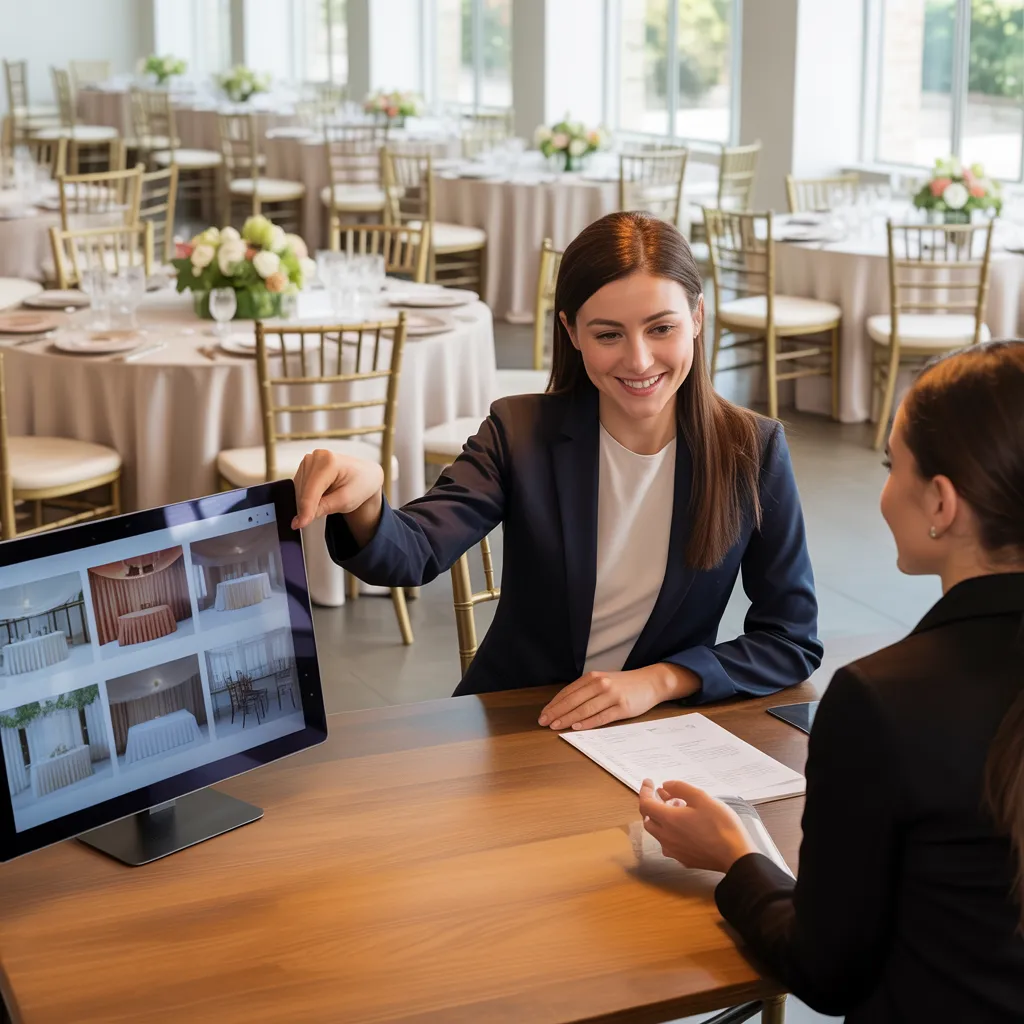
When planning an event, selecting budget-friendly party equipment can significantly enhance the experience without straining the budget. Many organizers discover that these items provide high-quality products at a fraction of retail prices, allowing them to allocate funds to other important aspects of the event. Affordable equipment often include a wide selection of options, from tables and chairs to tents and décor, enabling hosts to create a cohesive theme without overspending.
In addition, making use of these items allows for versatility in scheduling. Hosts can easily change their preferences based on the guest list or venue size, ensuring that every detail aligns with their vision. Additionally, many rental businesses offer delivery and setup services, alleviating logistical obstacles. Ultimately, choosing reasonably-priced party equipment not only contributes to a striking event but also fosters a stress-free planning process, making it an appealing choice for anyone seeking to make their event enjoyable and successful.
How to Establish a Realistic Budget for Your Rentals
Establishing a realistic budget for event equipment rentals demands careful consideration of essential items and possible extra expenses. By determining what is truly necessary, one can allocate funds more effectively. This approach guarantees that all elements of the event are adequately funded without overspending.
Reveal Must-Have Rental Products
Recognizing vital equipment to lease is fundamental for proficient event planning, as this helps to create a realistic budget. By identifying which items are essential, hosts can manage their spending and avoid unnecessary costs. Key rental items often feature tables, chairs, linens, and tents, contingent on the event's scale and type. Additionally, catering gear and audio-visual equipment may be vital for specific events, such as weddings or corporate events. Understanding the attendee count and location specifications further clarifies this list. By focusing on core necessities, planners can allocate funds in a more efficient manner, ensuring that the foundation are covered before investigating additional or premium rentals. This thoughtful approach establishes the cornerstone for a successful and remarkable event.
Think About Supplementary Expenses
When planning for event rentals, it involves more than merely noting the essential requirements. It requires consideration of various additional costs that can significantly influence the total budget. Transport charges, setup and breakdown fees, and possible damage deposits are common expenses that often catch planners off guard. Additionally, certain rentals may come with extra costs for specialized equipment or accessories, such as lighting or sound systems. Taxes and insurance should also be factored into, as these can increase the total expenditure. To avoid surprises, individuals should inquire regarding all potential fees upfront, ensuring a clear understanding of the financial responsibilities involved. By including these extra costs, planners can develop a realistic budget that aligns with their event goals.
Distribute Resources strategically
Creating a realistic financial plan for party rentals demands thorough consideration and thoughtful distribution of funds. Initially, people should evaluate the overall event budget, identifying how much can be allocated toward rentals. It is essential to focus on important components, such as seating and dining options, while considering non-essential elements that could be modified if necessary. Investigating local rental companies can provide insight into typical pricing, establishing practical goals. Additionally, developing a comprehensive inventory of required items enables improved monitoring of costs. By staying adaptable and willing to consider options, such as leasing from smaller companies, hosts can optimize their spending, guaranteeing an unforgettable event without overspending. Strategic budget management leads to a prosperous and unforgettable event.
Types of Cost-Effective Celebration Equipment for Any Event
When planning any gathering, a diversity of economical party rentals can enhance the experience without overspending. Tables and chairs are fundamental for any event, granting guests with comfortable seating. Tent rentals provide protection from the elements, making outdoor occasions wonderful regardless of the weather. Additionally, inflatable structures, such as bounce houses, are popular for family-friendly events, adding an element of amusement for children.
For entertainment, sound systems and projectors can establish a welcoming environment and facilitate events such as film screenings or talks. Decorative elements, such as tablecloths and floral arrangements, can revitalize an area while remaining budget-friendly. Finally, party games and photo booths encourage interaction and create lasting memories. By evaluating such varied rental choices, hosts can guarantee their gatherings are unforgettable and pleasant, all while remaining within their budget.
Smart Approaches to Get the Best Party Rental Deals
To secure the best deals on party rentals, it learn the details is essential to implement tactical methods. Evaluating several rental providers can reveal significant price differences, while reserving during off-peak dates often results in extra discounts. Additionally, discussing package deals can improve cost-effectiveness, making occasions more economical.
Assess Different Vehicle Rental Providers
Assessing different rental businesses can substantially improve the likelihood of finding the greatest value for celebration supplies. By collecting estimates from multiple suppliers, individuals can spot price variations and promotional offers. This activity encourages competitive bidding, regularly producing better pricing and additional services. Moreover, studying web-based reviews and feedback supports in judging the trustworthiness and quality of the party providers. It is sensible to inquire regarding bundled deals, as some companies might offer discounts for bundled items. In addition, assessing the inventory and availability of specific supplies makes certain that the chosen rental business can meet event requirements productively. In summary, a complete comparison gives event coordinators with the understanding essential to make informed choices and increase their budget.
Reserve Quieter Periods
Reserving non-peak times can dramatically lower costs for rental services. Many organizations encounter peak demand during weekends, holidays, and popular seasons, driving up steep prices. By choosing weekdays or off-peak seasons, event hosts can usually land lower rates and superior availability of preferred equipment. This approach not only improves savings but also enables superior service, as party rental organizations may have more time to prioritize every client during off-peak periods. Also, early booking during these times can amplify financial savings, as organizations may extend advance booking offers. All in all, opting for non-peak periods is a smart strategy for financially mindful event planners looking to get the most from their budget while still create memorable occasions.
Negotiate Bundle Offers
Exploring methods to boost cost savings can lead to significant benefits when organizing an event. One effective approach is discussing package deals with party rental companies. By combining services—such as tables, chairs, and linens—clients can often get discounts that wouldn’t be available with individual rentals. It’s important to research and compare different providers to understand the market rates and identify opportunities for negotiation. Clients should approach vendors with a clear idea of their budget and desired items, showing flexibility in exchange for better pricing. Additionally, mentioning other potential bookings or referrals can strengthen negotiating power. Ultimately, leveraging package deals can result in substantial savings, enabling hosts to assign funds to other essential event aspects.
What Questions Should You Ask Rental Companies?
When planning an event, what critical points should one ask to rental companies to ensure a hassle-free experience? First, ask about availability on the wanted date. This confirms that the necessary items can be reserved in advance. Next, inquire for a thorough list of products, including sizes, colors, and quantities. Understanding what is provided helps in creating informed selections.
Moreover, defining the rental conditions is necessary; questions about conveyance costs, preparation and takedown services, and cancellation procedures can prevent misunderstandings later. It is also necessary to ask about required deposits and payment timelines.
Moreover, interested clients should ask about insurance coverage and what happens in case of harm or missing items. Ultimately, checking customer reviews or references can offer understanding into the company's dependability. These inquiries enable well-considered choices, eventually leading to a successful occasion.
Finding Inventive Ways for Rentals That Boost Your Event
Using equipment thoughtfully can shift an unremarkable event into an extraordinary experience, as distinctive elements can enhance the overall environment. One valuable solution is to integrate furnishings styles, such as uniting vintage chairs with contemporary tables, establishing a visually striking contrast. Additionally, using themed ornamental pieces, like lanterns or centerpieces that reflect the event's purpose, can elevate the ambiance markedly.
Incorporating engaging rental features such as photo booths or games not only captivates attendees but also encourages memorable interactions. For outside celebrations, leasing elegant tent structures can offer protection and sophistication. Moreover, lighting rentals including string lights or LED uplighting can dramatically change the mood and illuminate important spaces.
Ultimately, the thoughtful blending of rental items permits hosts to customize their events while preserving budgets in check, guaranteeing an unforgettable experience for all attendees.
Frequently Inquired Questions
What timeframe should I use When reserving Party Rentals in advance?
Industry professionals suggest booking party gear at least 4-6 weeks beforehand. This period ensures availability, allows for refinements, and provides ample opportunity to organize logistics for a accomplished event free of last-minute stress.
Which Rented Products Suffer the Most Frequent Damage?
Commonly harmed leased equipment include tents, tables, and chairs, often due to exposure to weather or careless handling. Additionally, glassware and decorative items often sustain breakage, necessitating meticulous care during events to minimize potential loss.
Is it Feasible for Me to Collect Rentals on My Own?
Rental companies typically allow renters to pick up items independently. However, policies may vary, so it's advisable to confirm facts immediately with the rental organization to assure a hassle-free and efficient pickup arrangement.
What Transpires if My Occasion Gets Canceled?
If an event is cancelled, the rental company typically has a cancellation policy in place. This may involve partial reimbursements or rescheduling alternatives, depending on the timing and specific terms outlined in the rental agreement.
Are Delivery Fees Typically Included in Rental Costs?
Delivery fees are typically not incorporated in rental costs. Most rental companies bill separately for delivery, installation, and removal, which can differ based on distance and the complexity of the event logistics.